Last Chance To See Svengali

box office

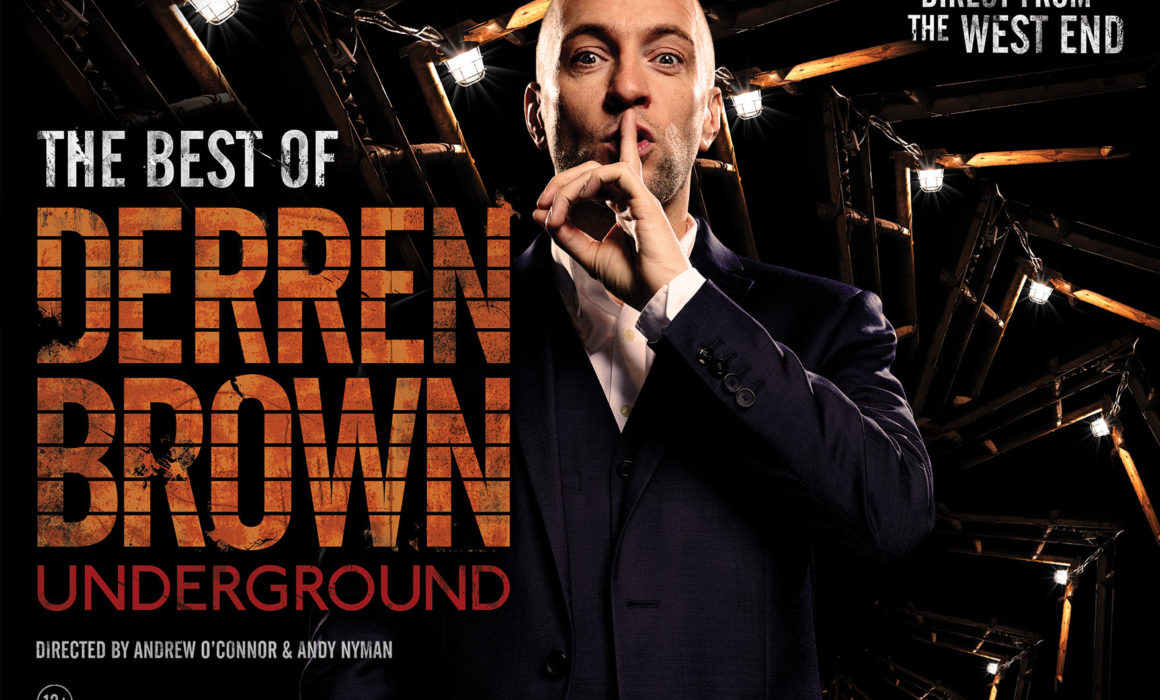
There are a few tickets still up for grabs at some of the venues for the final leg of the Svengali tour.

Derren’s live shows are immensely popular and often sell out well in advance.

However, we have it on good authority that if you move with the swiftness of an oiled gazelle you stand a good chance of snatching up one of the last remaining tickets for Derren’s mind-warping show.

We’re telling you about it first because you’re a blog reader and we do so love our blog readers.

So get cracking! Tickets are selling like hot cakes on a cold day and when they’re gone; they’re gone.

You can browse the list of venues over on the Svengali Tour page.

Best of luck!

Town Council Prayers Outlawed

meeting

Remember when you were told to bow your head for prayers at the beginning/end of school assembly? Well, Bideford Town Council has just had a slap on the wrist for incorporating a similar ritual into their formal Coucil meetings:

A Devon town council acted unlawfully by allowing prayers to be said before meetings, the High Court has ruled.

Action was brought against Bideford Town Council by the National Secular Society (NSS) after atheist councillor Clive Bone complained.
Mr Justice Ouseley ruled the prayers were not lawful under section 111 of the Local Government Act 1972. However, he said prayers could be said as long as councillors were not formally summoned to attend.

The judgement was being seen as a test case which could affect local councils across England and Wales.

Mr Justice Ouseley ruled the prayers as practised by Bideford Town Council had been unlawful because there was no statutory power permitting them to continue.

The NSS, which said prayers had no place in “a secular environment concerned with civic business”, argued the “inappropriate” ritual breached articles 9 and 14 of the European Convention on Human Rights, which protect an individual’s right to freedom of conscience and not to face discrimination.

The article goes on to include the reaction from the church-going members of the Council:

Anthony Inch, a Bideford town councillor and Torridge district councillor, said he hoped there would be an appeal leading to the ruling being overturned.

“I’m disgusted, surprised and saddened by the decision,” he said.

Simon Calvert, of the Christian Institute, said: “We are pleased that the court has said the saying of prayers at meetings does not breach human rights laws.

“But it is bizarre that they should be declared unlawful because of the 1972 Local Government Act.”

He added: “The judge’s finding that the Local Government Act doesn’t give local authorities power to include prayers as part of their formal meetings – we think that’s extraordinary.

“I mean we’re talking about a practice that goes back to the Elizabethan era”

Heaven knows, we could all do with a little more Elizabethan doctrine in our lives.

So what do you think; is the NSS just nitpicking and prayers should be part of the formalities of official Council business? Or should expressions of Faith be kept out of  official Government business?

Comment below…

You can read the full article over on BBC News


Genome of extinct human species from fragment of a finger bone

Denisova Cave, Altai Krai, Russia.
You’ve heard of our super-close relatives the Neanderthals, of course. But did you know there are far more species of humans that went extinct, like the tiny Floresiensis (“Hobbits”)? There are 14 known species of human being that are no longer with us. These were all out-competed, possibly even murdered by homo sapiens (us!) and other human speciesor in some cases driven to extinction by rapidly changing climate conditions (hint, hint, we’re changing the climate today faster than ever before!).

The newest addition to the group of known extinct humans are the Denisovans, who last lived approximately 30.000 years ago, at the same time as Neanderthal and modern humans roamed a similar region of Russia. Their remains (well, read on…) were found in a cave (Denisova Cave) around 10 years ago, even though they were not recognized as a new race of humans until 2010. Only a short while ago a group of German scientists has mapped the complete genome (DNA sequence) of these extinct human beings. Guess what they needed to do that? Just a bone fragment from a little piece of finger, which was, together with a wisdom tooth, the only found remains of the Denisovans in the cave.

With the full DNA sequence of Denisova Hominin, we can determine when and where our evolutionary lineages diverted and possible see what these extinct humans were like. Read more about this remarkable achievement on Nature.com. Some Denisovian genes probably live on through interbreeding with modern humans, since it looks like modern-day Melanesians and Australian Aboriginals have some Denisovian left in them. Fascinating stuff. More research is being done on a toe bone discovered in 2011.

So no worries, all you have to leave is a toe or a finger in a convenient, yet protected, location and perhaps future humans can bring you back to life! Your genes anyway.

On the ubiquity of the “Impostor Syndrome”

Discussing complicated intellectual subjects with others often involves area’s of knowledge in which we feel uncertain or inadequate. You and I would not be the only one to have a sense of not belonging when caught in such a situation, even when we are in fact experts in that particular field. This feeling of being found out as an impostor who talks nonsense despite the fact that we are well schooled on the subject, is a widespread phenomenon called The Impostor Syndrome. Although a rather benign sort of mental aberration, it can severely hamper our confidence. The Cambridge professor of physics Athene Donald has broached the subject eloquently in a blog post, discussing her experience of the phenomenon in the world of academia. She noted that it seems mainly an issue woman seem to talk about openly, but she has now followed up with a second article showing there are also plenty of men experiencing these feelings, although they seem less inclined to identify them as genuine instances of Impostor Syndrome.

If you share the feeling of inadequacy in the presence of peers or when speaking as an authority in academic or other capacity, it may pay off to read the articles and realize that this is pretty common. It’s not unlike the notion of feeling our looks, smells or physical behaviour is inadequate compared to others. Whilst in most cases, others share these feelings, probably at the same time.

The spiritual opposite of the Impostor Syndrome is called The Dunning-Kruger effect. This effect comes down to an obliviousness to our inabilities, causing those with minor to no skill to be unable to detect their lack of competence and hence value their ability much higher than it in practice is. If you and your colleagues all wonder how how that supremely incompetent and dislikeable manager got that position in the fist place, it may simply be the Dunner-Kruger effect in action. The person may lack the self-consciousness and skill to realize his or her capacities are minor and hence prances around with the confidence of kings, which can translate eventually to promotion over more skilled, but far less confident, collegues.

In short, the Impostor Syndrome shows us that even the most competent of people, academics of fair repute, experts in their field, can constantly have the nagging feeling they are inadequate compared to others. Which brings us to a wonderful quote from the great British philosopher Bertrand Russell:

“The trouble with the world is that the stupid are cocksure and the intelligent are full of doubt.”

Sup, yo?
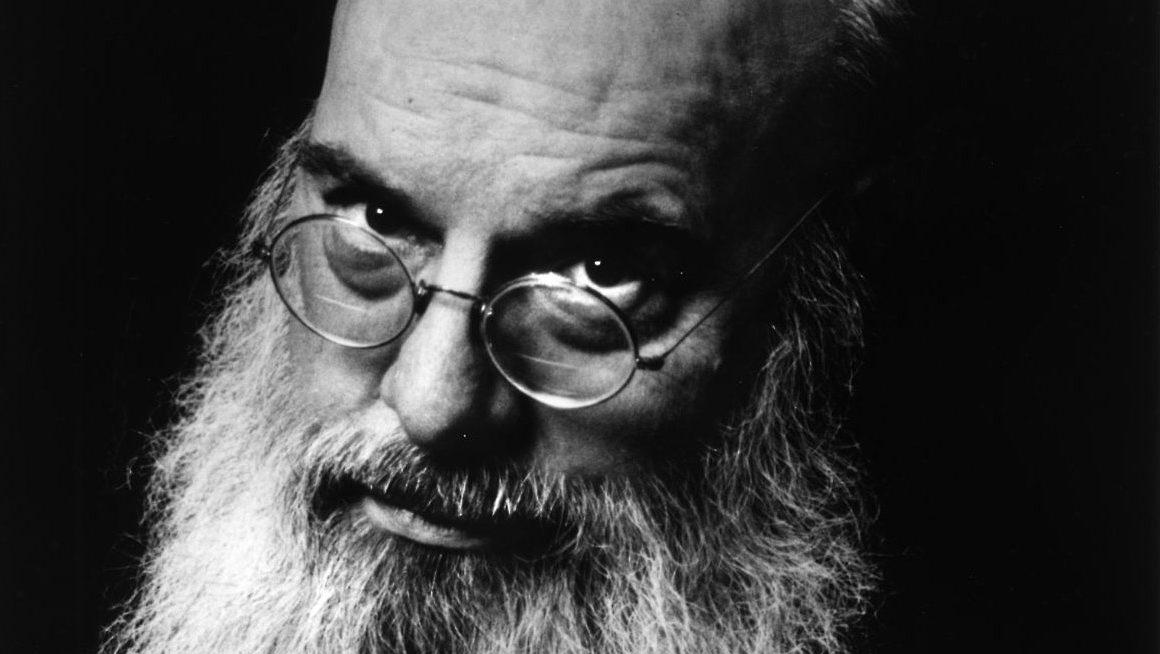
Painting of Bertrand Russell by Derren Brown (More artwork available in the Portraits art book)

Gossip can have social and psychological benefits

We all like to gossip about others, but abhor to hear there has been gossiping about our own selves. Generally we therefore tend to think gossiping is always bad, but forget it right at those moment some juicy gossips are flowing from our own silky lips. Luckily there is a a science of gossip to be found in psychological studies and it shows that actually some sorts of gossip are not bad at all.

It seems pro-social gossip plays a vital role in what we call social control, a form of peer pressure. Unwanted behaviour will be gossiped about, making bad actors reflect on their deeds and potentially curb their negative behaviour in fear of social exclusion. In a sense gossiping gives people the opportunity to prepare or avoid a nasty experience with someone else, making selfish behaviour less rewarding and therefore less common. Secondly, pro-social gossip relieves stress. When expressing your feelings over a frustrating situation or your perspective on a stressing drama, that just feels good. You are being heard by your altruistic peers, who may even help you out beyond just hearing your lament.

Of course the anti-social forms of gossiping, out of envy or revenge while throwing a little lie in the mix to sauce things up, will actually get you gossiped about and can lower your social standing with the other gossipers of fair repute.

Read more on medicalxpress.com about the benefits of gossip. If this is your kind of science, then don’t miss out on a whole book on the subject of reputation (therefore also gossip) by John Whitfield, called People Will Talk.

Can The US Army Accept Atheists?

us army bible

Spotted this on the BBC News this morning:

In a land of faith and flag, Justin Griffith is challenging the US military to abandon its religious ties.

When Justin Griffith was a child growing up in Plano, Texas – a place he describes as the “oversized, goofy buckle on the Bible belt” – he would bring his bible to science class and debate his teachers on the finer points of evolution.

“In my head, I won every time,” says Mr Griffith, now 29.

But somewhere along the way, his penchant for picking ideological fights with the non-religious got him in trouble. He found it harder and harder to argue with the points they were making. At 13, he suffered a crisis of faith.

“It was so painful. I lost my religion before I lost my first girlfriend. Nothing that big had ever happened to me, and I didn’t have any coping skills,” he says.

Mr Griffith found peace with his atheism, but he is not done sparring with the opposite team.

As an active-duty sergeant in the US Army, he’s leading the charge to get atheists more respect in the armed forces. In the process he is earning attention, both positive and negative, from around the world.

You can, of course, read the full article here.

I was surprised to learn, from reading this article, that the US Army introduced a mandatory Spiritual Fitness Test last year. Any thoughts on that?

The science of schadenfreude

When someone else falls on their buttocks in a spectacular display of flailing limbs, or another spills some soup on a pristine white shirt at a fancy office party, aren’t these the moments that make life worth it? Commonly enough, most of us will have to suppress a naughty chuckle at the misfortune of others. Is this bad? Not per se. A little article found on MSN.com details research in the field of schadenfreude by the University of Nijmegen. It tells us that the act of feeling good at another’s misfortune is a simple mechanism of self-affirmation. Depending on a person’s levels of self-esteem, he or she may need a little ego-boost saying “I’m not so bad after all, look at that dolt! I can eat soup better than him/her any day!”.

In a study conducted on students who were asked to appraise their level of schadenfreude after reading about a high performing student failing to get a great job, it became clear that the level of mirth at the misfortune of others is heavily dependent on our own levels of confidence. The more threatened or envious one is of another person, because we often assess our own positions to be inferior, the more enjoyment the failure of this person brings. Sounds like stating the obvious, but this information can be used in our daily lives to recognize that often these feelings of glee at the tribulations of others stem from our own hidden feelings of inadequacy. Living with this understanding enables us to feel more empathy for others and to face or address our own failings, which will enable us to grow into more confident people. Nothing wrong with a little chuckle though!

Thanks to Shaun B for the tip, read the whole article here.

Try these books if these kinds of studies and the subject of self-esteem and happiness interest you;

Stumbling Upon Happiness – Daniel Gilbert
The Happiness Hypothesis – Jonathan Haidt
59 Seconds – Richard Wiseman

Speech reconstructed from brain activity

Yes, scientists can now scan your mind and record what you’re hearing. How long before they can scan your mind and know what you’re thinking?

Read a whole article on this fascinating find on the Scientific American site and watch a video of the technology in action below:

Further reading also available at BBC News

Skin transformed into brain cells

image

“Skin cells have been converted directly into cells which develop into the main components of the brain, by researchers studying mice in California.

The experiment, reported in Proceedings of the National Academy of Sciences, skipped the middle “stem cell” stage in the process.

The researchers said they were “thrilled” at the potential medical uses.

Far more tests are needed before the technique could be used on human skin.

Stem cells, which can become any other specialist type of cell from brain to bone, are thought to have huge promise in a range of treatments. Many trials are taking place, such as in stroke patients or specific forms of blindness.

One of the big questions for the field is where to get the cells from. There are ethical concerns around embryonic stem cells and patients would need to take immunosuppressant drugs as any stem cell tissue would not match their own.

An alternative method has been to take skin cells and reprogram them into “induced” stem cells. These could be made from a patient’s own cells and then turned into the cell type required, however, the process results in cancer-causing genes being activated.

The research group, at the Stanford University School of Medicine in California, is looking at another option – converting a person’s own skin cells into specialist cells, without creating “induced” stem cells. It has already transformed skin cells directly into neurons.”

Read more at BBC News

How Do Placebos Relieve Pain?

“Scientists and doctors have been studying placebos for more than half a century. These inert “sugar pills” remain highly controversial, yet they are widely used in clinical treatment today—especially in the area of pain management. So-called “placebo analgesia” has been observed again and again not only in the pain clinic, but also in the neuroscience lab, where scientists have documented a placebo response in the brain’s pain pathways.

Despite this evidence, nobody really understands the psychological processes involved in placebo analgesia. Presumably the power of these inert substances has something to do with the expectation of relief, but how do expectations translate into basic cognitive processes, like attention and thought? One possibility is that when sufferers expect relief, they are able to redirect their attention away from their pain, creating an analgesic effect. If that’s the case, then expectation itself might actually act as an agent of cognitive control, and the mind’s executive powers might be the link between expectation and relief. Imaging studies have revealed placebo-related activity in a brain region involved in executive function—bolstering this theory.

But this brain imaging evidence is merely suggestive, and the theory has never been tested directly. A team of psychological scientists, headed up by Jason Buhle of Columbia University, decided to investigate this explanation for placebo analgesia. The brain has a limited supply of cognitive power, so if indeed placebo analgesia requires executive attention, then performance on a demanding cognitive task should interfere with pain relief from a placebo, and vice versa. One kind of executive power is working memory, and in previous work Buhle and colleagues have shown that performing a difficult working memory task itself reduces pain, presumably by distracting sufferers. So in a new experiment, they tested whether this same cognitive task interferes with the relief offered by a placebo drug, as one would expect if they are using the same cognitive mechanisms. If not, then the evidence would suggest that sugar pills and distraction have independent analgesic effects.”

Read more at Psychological Science (Thanks Annette)